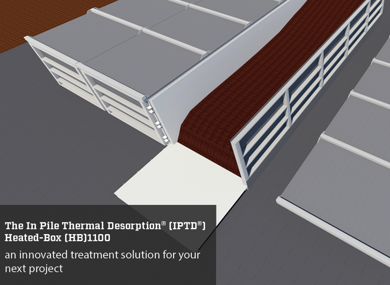
In Pile Thermal Desorption® With the HB1100
Read this before your next Dig and Haul Project! For sites with modest amounts of contamination - “modest” being defined as soil volumes between 2,000 to 12,000 cubic yards, and...
In Situ Bio-Enhanced Thermal Remediation - Part 1
Welcome back to another of our featured webinar breakdown blogs. This post is Part 1 of In Situ Bio-Enhanced Thermal Remediation. In this post, we provide an overview of the...
In Situ Bio-enhanced Thermal Remediation - Part 2
Last week we posted Part 1 of our Breakdown of the different technologies used for In Situ Bio-enhanced Thermal Remediation. If you’re looking for more info, make sure...
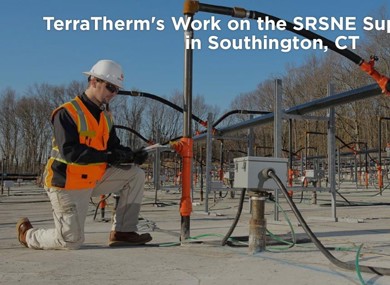
TerraTherm's Work on the SRSNE Superfund Site in Southington, CT
TerraTherm’s work on the Solvents Recovery Service of New England (SRSNE) Superfund Site in Southington, CT is a great example of how thermal treatment can get to the bottom of...
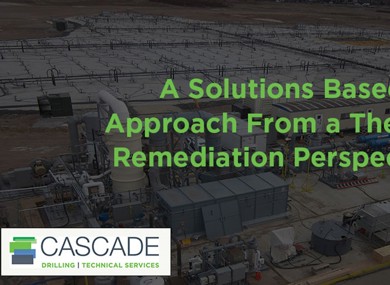
A Solutions Based Approach From a Thermal Remediation Perspective
The word “solution” is defined as “a particular instance or method of solving” by dictionary.com. We all know that there are often many solutions to one problem, depending on the...
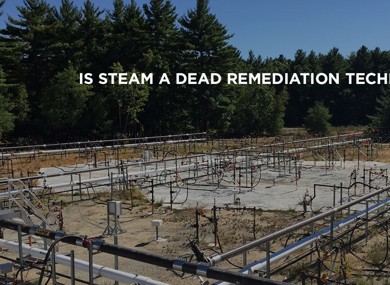
Is Steam a Dead Remediation Technology?
The earliest form of in situ thermal remediation (ISTR) is steam enhanced extraction (SEE). The technology was developed in the late 1990s at the University of California,...

Treating Dioxins Left Over From Agent Orange in Vietnam – A Dream Come True
Thirty years ago, I learned about the use of Agent Orange in Vietnam and the effect on the people who came in contact with the chemicals. This, along with knowledge gained from...
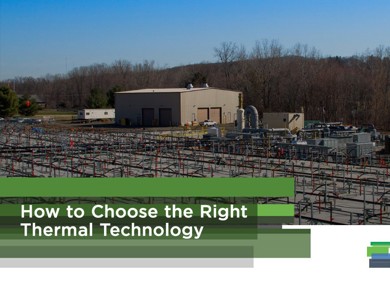
How to Choose the Right Thermal Technology
When a contaminated site fits the right characteristics where in situ thermal remediations (ISTR) may be a consideration, determining which of the three most commonly implemented...
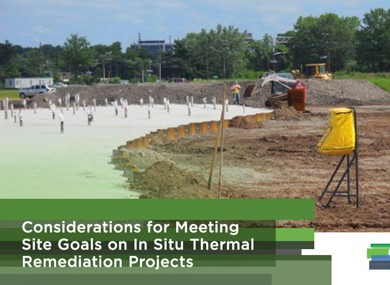
Considerations for Meeting Site Goals on In Situ Thermal Remediation Projects
Consultants and site owners working on thermal remediation projects can avoid costly mistakes such as inadequate shallow treatment, shallow contaminant condensation, loss of...
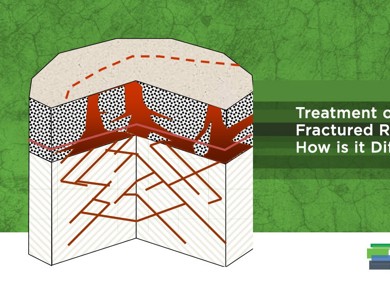
Treatment of Fractured Rock – How Is It Different?
Environmental consultants who work in the remediation industry long enough will encounter geologies and hydrogeologies that pose difficulties for selecting effective remediation...
Join our newsletter

A bimonthly email with the latest expert insights in drilling and remediation