
Creating a Culture of Sustainable Resilient Remediation
There was a time in the environmental field when safety wasn’t always top of mind. It took diligent, intentional effort on the part of practitioners and project owners to instill...
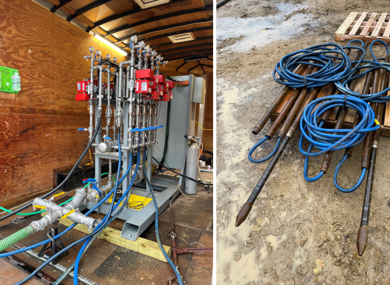
6 Factors That Determine the Radius of Influence (And How They Impact Your Project Plan)
One of the major root causes for remediation projects not meeting treatment expectations is using rules of thumb, rather than a sound design basis, for determining radius of...
What’s on the Horizon: Cascade Experts Predict Environmental Services Industry Trends
Seismic shifts are underway in the environmental services industry. New regulations, market drivers, and technologies are coming, and it can be hard to balance meeting current...
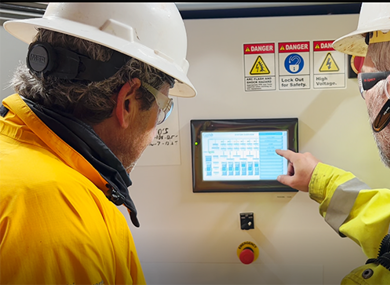
12 Questions Consultants Asked About Automated Injection Technology
As exciting as new remediation technologies can be, most consultants want to implement solutions they know will work as described. Your clients won’t be impressed that you took a...
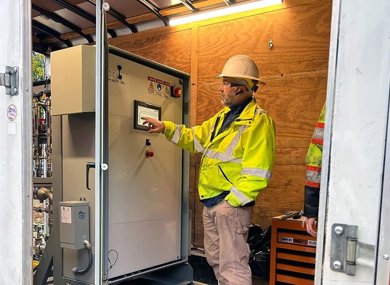
What is Automated Injection and How Does It Work?
Whether you’re new to the environmental services industry or have years of remediation experience under your belt, you are most likely intrigued by the concept of automated...
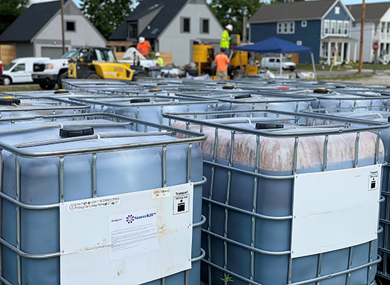
Chemistry Mobility During In Situ Remediation: What Is It and How Can You Manage It?
Chemistry mobility can be a blessing or a curse. If you’re injecting amendments and distributing in a grid area treatment, you expect the product to move and make contact with...
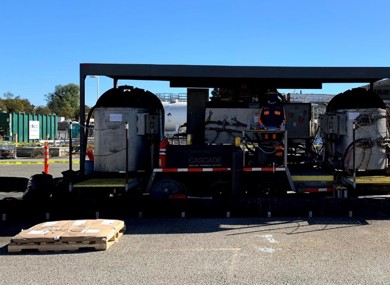
Injection 102: What is In Situ Chemical Reduction and How Does It Work?
In situ chemical reduction (ISCR) can help you meet your contaminant destruction goals and, in many cases, with fewer events in a way that bioremediation and in situ chemical...
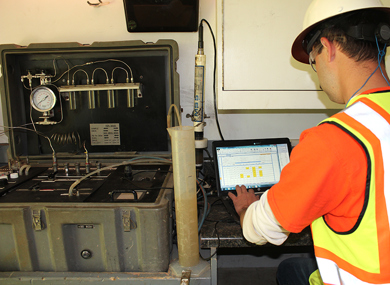
9 Questions Consultants Ask About Injected Remedies
The success of an injection project isn’t guaranteed once you’ve landed on the right chemistry or approach. There are myriad details and decisions that can influence the project...
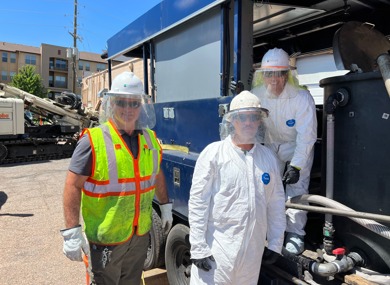
5 Common Challenges on Injection Projects—And How to Avoid & Mitigate Them
Whether it’s because of lithology, budget, intended site use, regulatory requirements, or something else entirely—every injection project is different. But that doesn’t mean there...
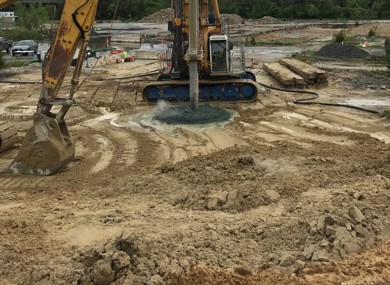
4 Things You Need to Ask Every Contractor Before Hiring Them For Your ISS Project
When it comes to in situ stabilization (ISS) projects, the pressure is on! Once you’ve determined this is the right treatment for your project site, the challenge is just...
Join our newsletter

A bimonthly email with the latest expert insights in drilling and remediation