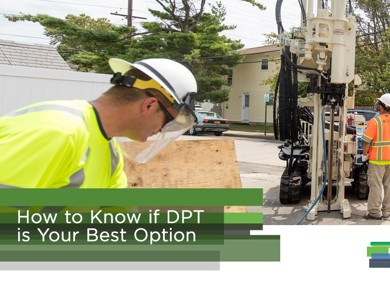
How to Know if DPT is Your Best Option
Direct push technology (DPT) is extremely versatile, and is used for everything from drilling and sampling to site characterization and injection. The problem for many consultants...

Increasing Efficacy and Cost Savings: Why Pilot and Design Optimization Testing Are Important - 2023 Update
Pilot tests and design optimization tests (DOT) are intended to optimize remediation project design and reduce costs, but often they’re treated as an unnecessary delay and cost...
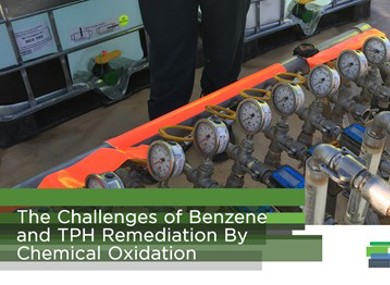
The Challenges of Benzene and TPH Remediation By Chemical Oxidation
At the beginning of an underground storage tank (UST) project, most consultants focus the design on benzene, toluene, ethylbenzene, and xylene (BTEX) concentrations in the...

5 Ways Bench Scale Treatability Studies Can Improve Remediation Project Outcomes
When your client hires you for a remediation project, they expect you to achieve the site goals. There’s no such thing as “close enough.” If remedial goals aren’t met, the site...
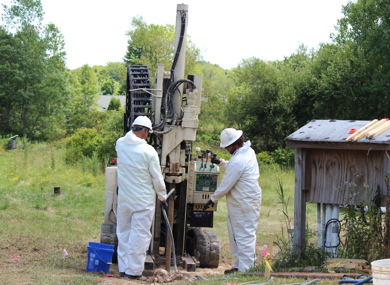
Not All ZVI is Created Equal: How the Manufacturing Process Can Impact Project Outcomes
In the remediation industry, iron is not just iron: manufacturing, storage, design, size and application affect how a zero valent iron (ZVI) particle will react. When a remedy is...
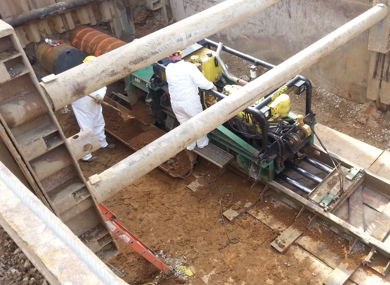
5 Key Considerations for Remediating Under Buildings
Contaminated soil and groundwater know no boundaries. At many sites, there’s contamination below buildings or utilities because they were the source of the release. These sites...
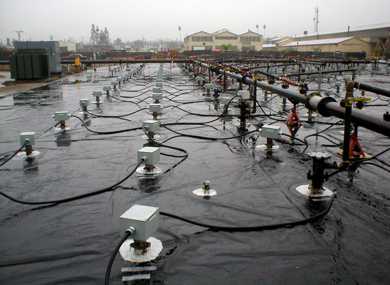
Why You Should Consider High Temperature Thermal Conductive Heating
What do coal tar, PAHs, PCBs, pesticides, dioxins, PFAS, heavy hydrocarbons, and mercury all have in common? These chemical mixtures are hard to treat using traditional...
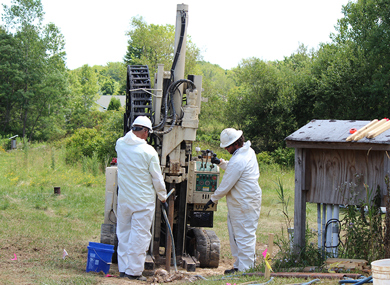
Firm Foundations: Remediation Basics
Whether you’re new to environmental services or are only just beginning to consider it as a career path, there’s a lot to learn in this industry and it can be hard to know where...
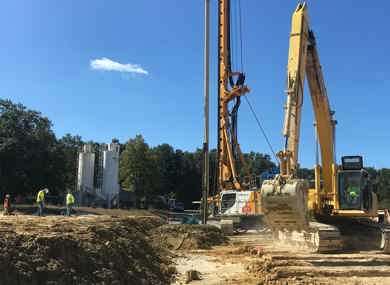
Is My Remediation Project Site a Good Fit for ISS/ISCO?
If you have a hard-to-treat site involving contaminants like chlorinated solvents or BTEX compounds with LNAPL present, you are probably racking your brain to develop a remedial...
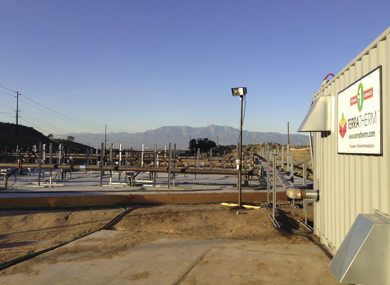
Why You Should Consider Thermal for Remediating Bedrock Source Zones
Treating fractured bedrock is typically more complex than treating porous media like sand or clay, and effective remedial options are limited. Due to the fractured nature of rock,...
Join our newsletter

A bimonthly email with the latest expert insights in drilling and remediation