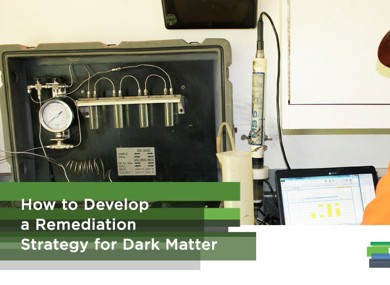
How to Develop a Remediation Strategy for Dark Matter
On a typical contaminated site, low permeability zones tend to be heavily under-sampled, which means critical data about contaminant mass is missed. These zones can be “charged”...
The Basics and Beyond: What Every Environmental Consultant Needs to Know About Thermal Remediation
As an environmental consultant you need to know about a lot of different things, everything from regulatory programs and requirements and the latest technologies for...
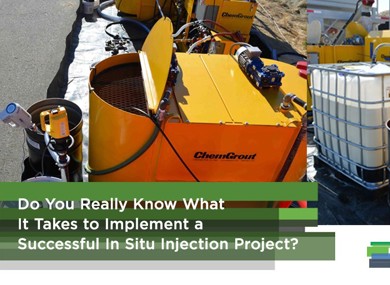
Do You Really Know What It Takes to Implement a Successful In Situ Injection Project?
On projects requiring in situ injection remedies, the actual injection is as important as the amendments selected for contaminant destruction. Considering the high cost for...
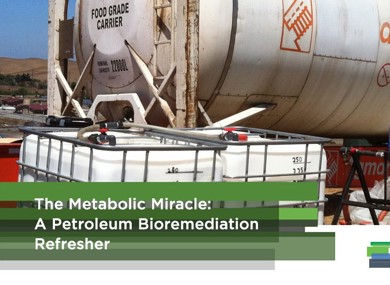
The Metabolic Miracle: A Petroleum Bioremediation Refresher
Bioremediation is a crucial component of many remediation plans. In fact, experts forecast the global bioremediation market will reach $186.3 billion by 2023. Here in the U.S.,...
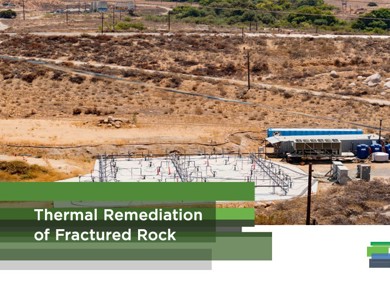
Thermal Remediation of Fractured Rock
In the decade since initial pilot and laboratory studies were performed on fractured rock, there have been numerous technical advances and successful cleanups of fractured rock...
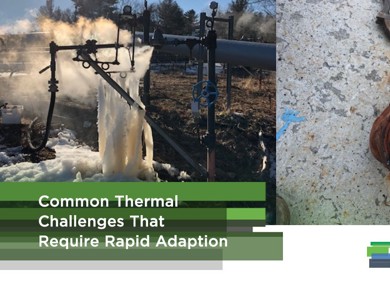
Common Thermal Challenges That Require Rapid Adaption
As every environmental consultant knows, even the most carefully researched and meticulously planned projects cannot anticipate every possible scenario. But when unexpected...
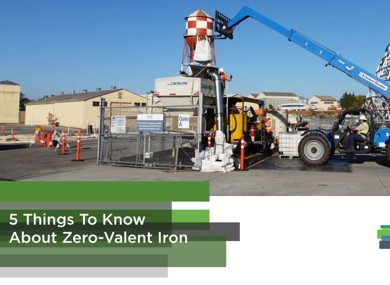
5 Things to Know About Zero-Valent Iron
Zero-valent iron (ZVI) is an accepted and widely used remedial amendment for in situ chemical reduction applications. But if you’ve never implemented a ZVI remedy, what do you...
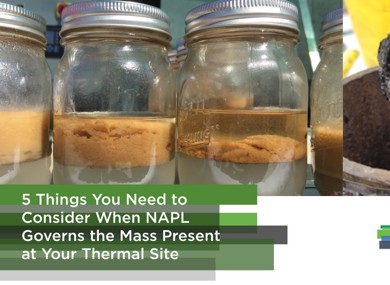
5 Things You Need to Consider When NAPL Governs the Mass Present at Your Thermal Site
Thermal technologies have now been used for more than two decades to address highly contaminated source zones. In the beginning, thermal was typically utilized to address volatile...
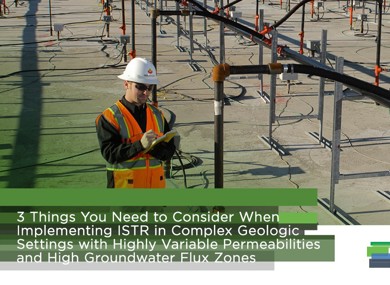
3 Things You Need to Consider When Implementing ISTR in Complex Geologic Settings with Highly Variable Permeabilities and High Groundwater Flux Zones
Identifying zones where high groundwater flux may occur is essential to an effective thermal remedy. At sites with complex geologies consisting of multiple layers of different...
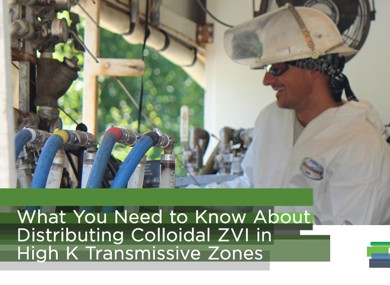
What You Need to Know About Distributing Colloidal ZVI in High K Transmissive Zones
Zero valent iron (ZVI) is a proven chemistry for treating chlorinated solvents, metals, and herbicides/pesticides. Like most chemistries, ZVI must come into contact with...
Join our newsletter

A bimonthly email with the latest expert insights in drilling and remediation