
Thermal Modeling: Science… or Magic?
Those of you that have been involved in thermal projects may have wondered how the subsurface conditions at your site ties into the rest of the thermal remedy. How is the...
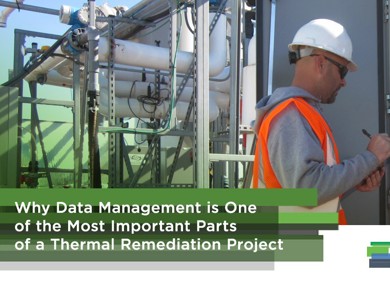
Why Data Management is One of the Most Important Parts of a Thermal Remediation Project
Thermal remediation remedies can be highly effective but also resource intensive. Thermal project sites are also dynamic, with constantly changing variables that impact the final...

4 Common Questions About ISTR Treatments at Petroleum Impacted Sites
When TerraTherm, a Cascade Company experts present at a conference or a webinar, it doesn’t matter how much material they cover—there are always questions. After presenting a...
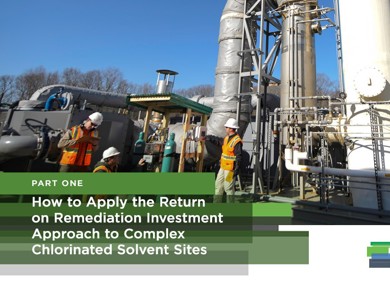
Part 1: How to Apply the Return on Remediation Investment Approach to Complex Chlorinated Solvent Sites
Tackling the remediation strategy for a complex chlorinated solvent site is daunting. As the science and technology of site characterization and remediation has advanced, so too...
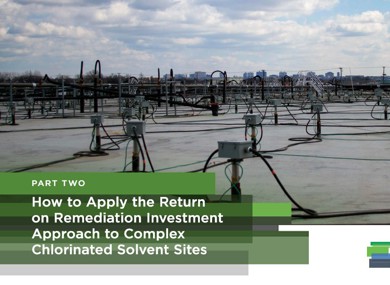
Part 2: How to Apply the Return on Remediation Investment Approach to Complex Chlorinated Solvent Sites
Remediation progress at complex sites can be negatively impacted by a host of factors, including misunderstanding of contaminant distribution, poor understanding of what...

How to Optimize Injection Performance and Distribution Through Manifolding Multiple Injection Locations
As our industry becomes more sensitive to the importance of distribution of in situ amendments to achieve contact with contaminants like TCE, Benzene and Hex Chrome, injection...
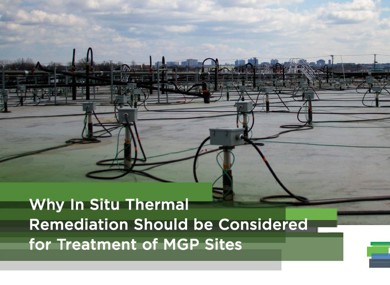
Why In Situ Thermal Remediation Should be Considered for Treatment of MGP Sites
Remediation of manufactured gas plant (MGP) sites typically target coal tar (which can exist as both LNAPL and/or DNAPL), and is usually treated by excavating and disposing of...
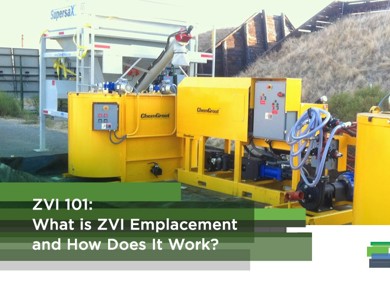
ZVI 101: What is ZVI Emplacement and How Does It Work?
Zero Valent Iron (ZVI) technology has been a preferred remediation tool for nearly 30 years. It's important for every environmental consultant to understand what ZVI is and how it...
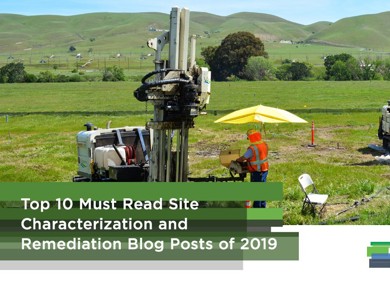
Top 10 Must Read Site Characterization and Remediation Blog Posts of 2019
The volume of articles and blog posts produced each year about site characterization and remediation is overwhelming. One way to cut through it all is to find the content others...

Why is it Important to Calculate Contaminant Mass?
Mass removal is a major focal point for all parties involved with an in situ thermal remediation (ISTR) project, but it is often not well defined or understood. Although the basis...
Join our newsletter

A bimonthly email with the latest expert insights in drilling and remediation